
Snip, Snap, & Ouch: The Demanding Job of Hairstylists (& The Cost of Health)
Hey all,
It’s your friend and next-door hairstylist Dania here!
As a new custom, now and then, I ensure to come up with something addressing the concerns and well-being of our community – that is, the hairstylists.
You know, working behind the chair is creative, social, and rewarding almost always. But if I tell you a hidden jeopardy of it - It’s also physically and chemically demanding in ways many of our valued clients might not know.
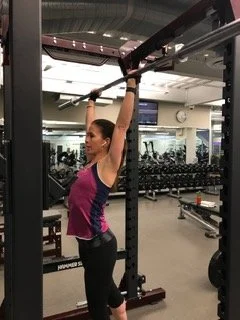
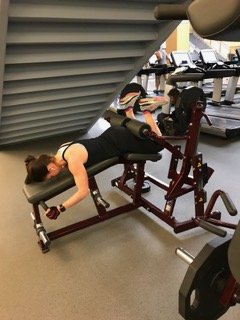
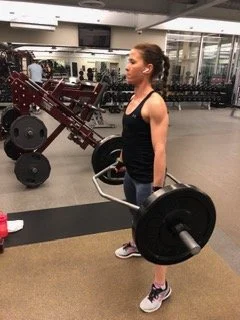
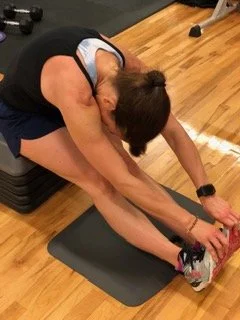
And here’s more to it: Hairdressers and barbers face a mix of musculoskeletal strain, chemical exposures, respiratory and skin issues, and even psychosocial stressors that accumulate over the years, while generating all those beautiful hairstyles and colors (source: Springer – Journal of Occupational Medicine & Toxicology).
So, despite these grave health concerns, how does a hairstylist stay put in this field all the while keeping him/herself looking fit and fine? Today, I am going to tell my readers exactly the kind of fitness habits that we, the hairstylists, follow rigorously to be our best behind the chair. 🙂
Before the Exercises, let’s Talk About a Hairstylist’s Occupational Hazards.
I will take you on a brief journey of what we barbers had to face throughout our careers (boy, are we stressed 😓). So, let’s begin the ordious details!
Among the most prominent health concerns, Musculoskeletal disorders (MSDs) are the single most common occupational complaint among hair professionals.
What is this ailment actually?
When a person suffers from this disorder, he/she can develop a variety of issues in the body’s moving mechanism. Over time, this produces chronic pain in the neck, shoulders, joints, and knees.
Additionally, problems in mobility and stiffness, muscle weakness, swelling and inflammation of joints, nervous numbness, fatigue, overtime inability to work, and psychological stress are all very real prospects.
Another major health issue for the hairdressers is the exposure to hair color and treatment chemicals. Hair products contain thousands of chemicals — dyes, bleaches, solvents, and aerosolized sprays — that can irritate skin, trigger asthma or rhinitis, and in some cases have been evaluated for carcinogenic potential.
The real bad news: there is a valid chance of developing certain types of cancers over time as well (source: MDPI).
On the other hand, respiratory and skin problems are common among barbers. Over time, conditions like rhinitis, skin irritation, and dermatitis, as well as asthma.
On top of these, hairstylists also need to brave mental issues. Managing things such as client expectations, putting 100% effort, and sometimes all it returns is a complaint and an irregular fee refund; all this does take a toll on our heads, trust me!
But having said all of the above, we hairdressers are not that easily defeated by our occupational health hazards😉. Our major weapon: the exercises and fitness routine of a hairdresser!
Let’s talk about our perseverance now!
The Best Exercises & Fitness Techniques for Hairstylists
Everyone knows how beneficial and good exercise and fitness routines are for any human, regardless of occupation.
In the coming paragraphs, I will highlight the ideal exercises and fitness techniques for hairdressers, and the ones I follow to keep myself in good shape.
Here we go!
1. Strength Training (2–3 times per week):
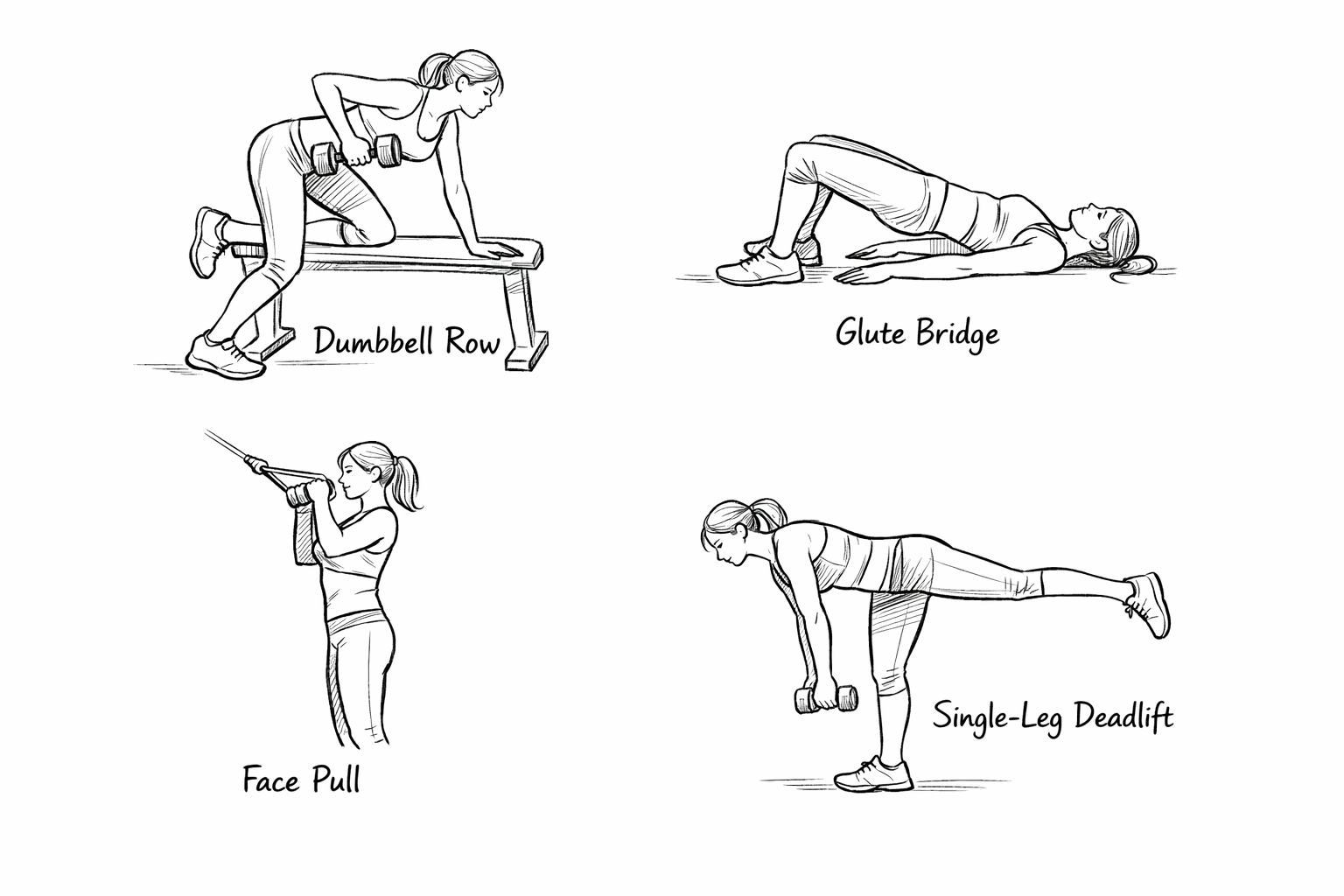
Focus areas: rotator cuff and scapular stabilizers, upper back, core, glutes, and legs.
Examples: dumbbell rows, face pulls, external rotation with a band, planks, glute bridges, and single‑leg deadlifts.
Why: Strengthens the muscles that stabilize the shoulders and spine, reducing strain during repetitive cutting and blow‑drying.
2. Mobility and Flexibility (daily short sessions):
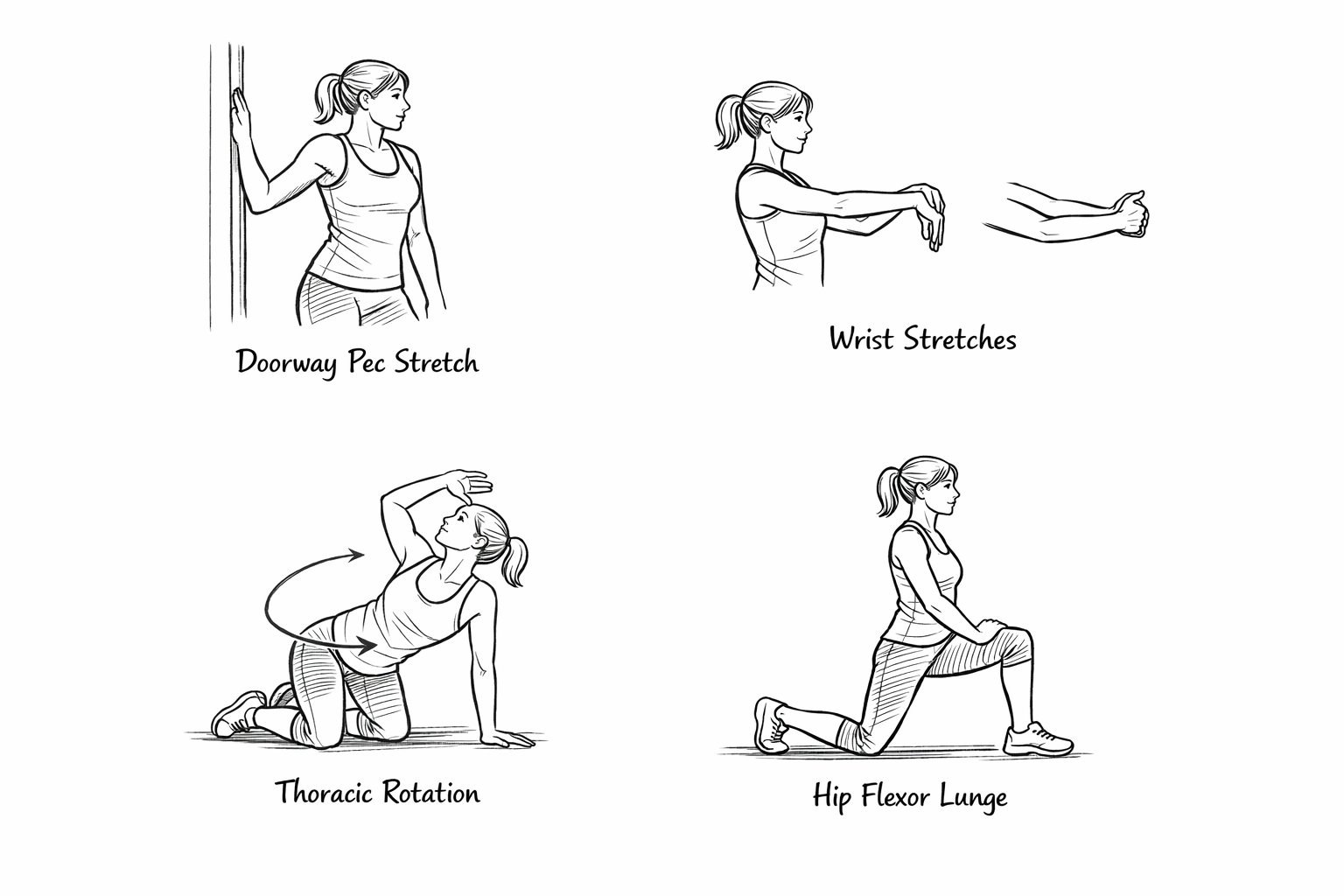
Focus areas: thoracic spine extension, shoulder mobility, hip flexor length, and wrist mobility.
Examples: thoracic rotations, doorway pec stretches, hip flexor lunges, wrist stretches.
Why: Restores range of motion lost to static postures and prevents compensatory movement patterns.
3. Cardiovascular Conditioning (2–3 times per week):
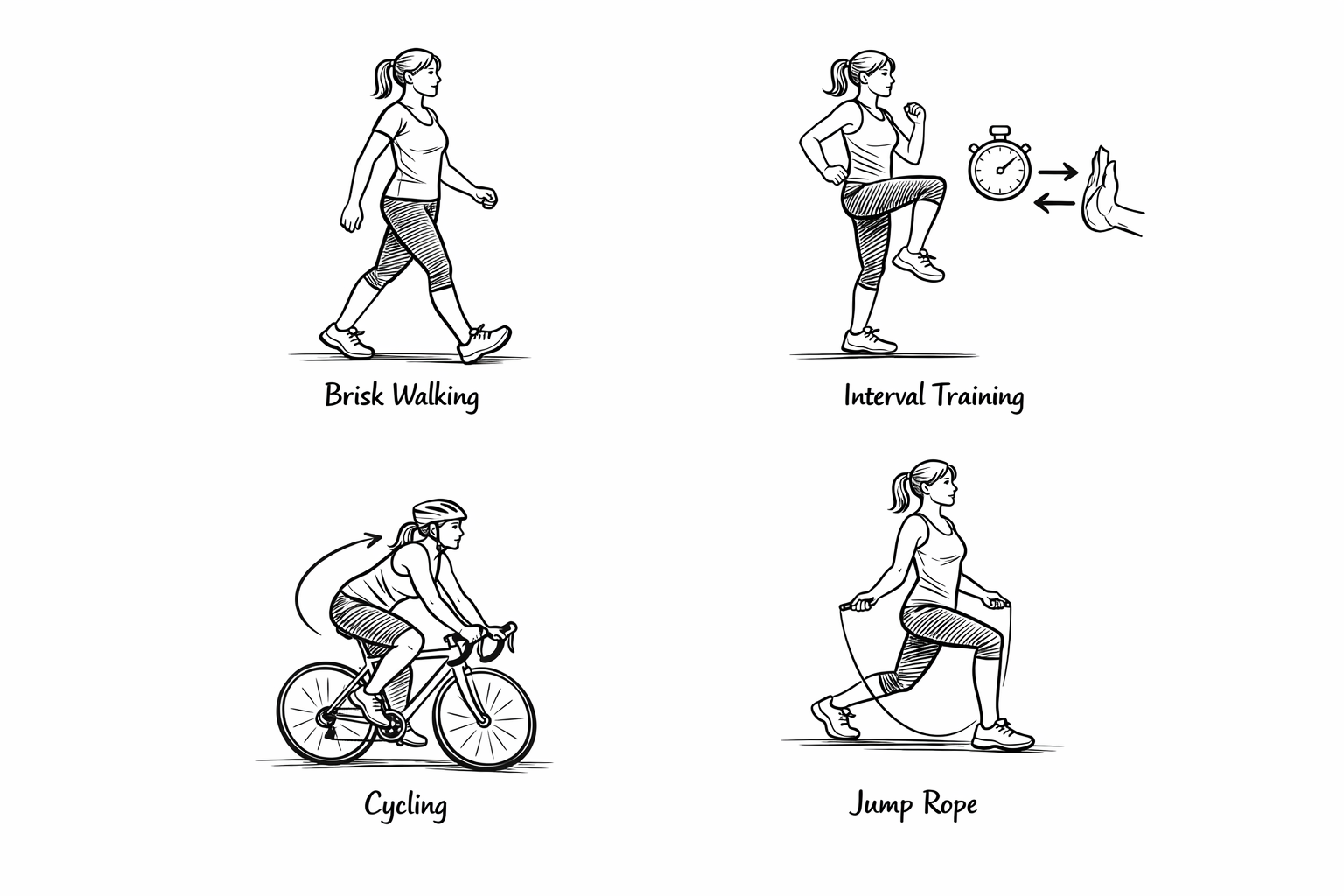
Options: brisk walking, cycling, or interval training for 20–30 minutes.
Why: Improves overall endurance, making long shifts feel less draining, and supports metabolic health.
4. Micro‑breaks and Active Recovery (during the workday):
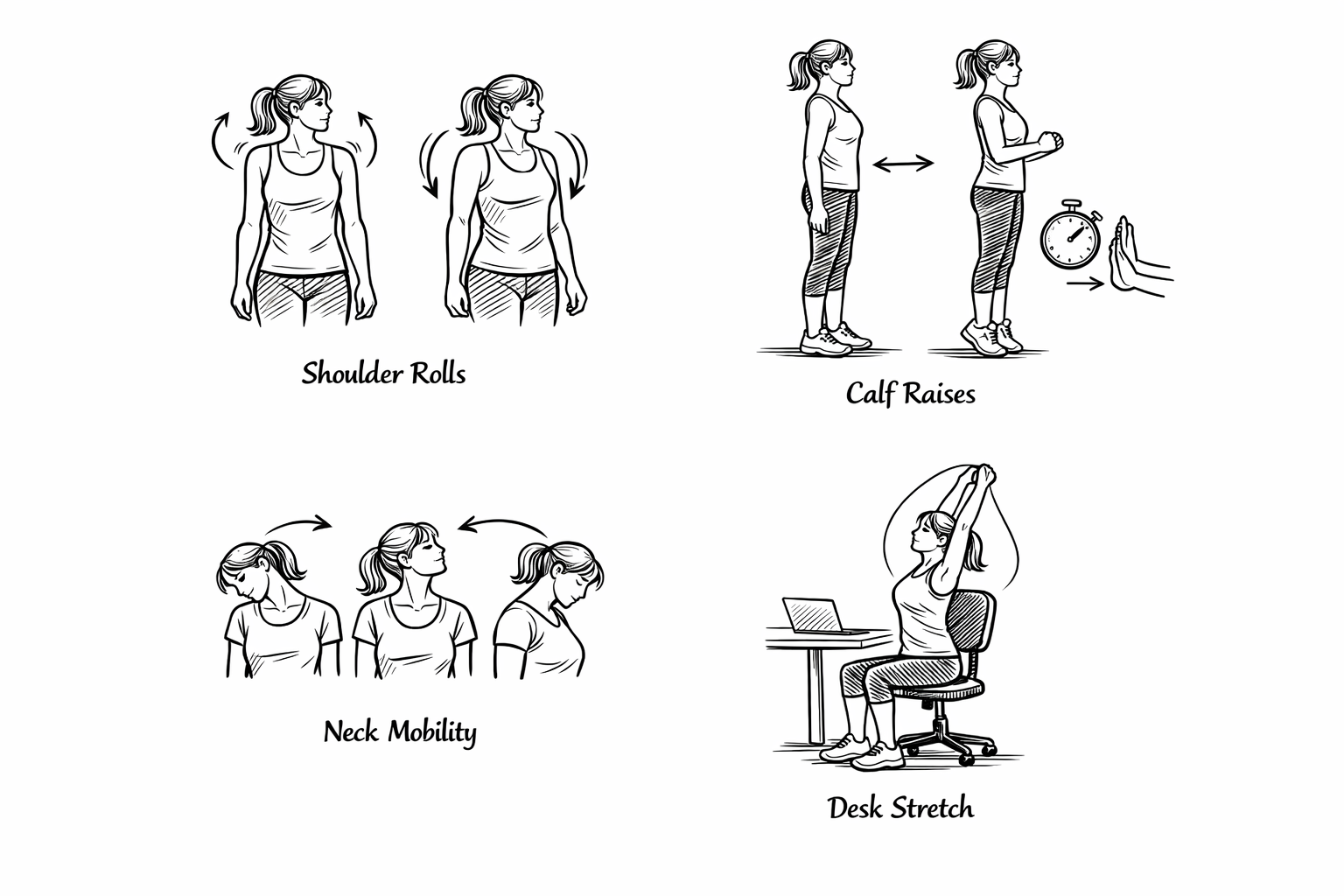
What to do: 1–2 minute shoulder rolls, neck mobility, calf raises, and brief core bracing between clients.
Why: Frequent short breaks reduce cumulative load and interrupt static postures.
5. Breathing and Relaxation
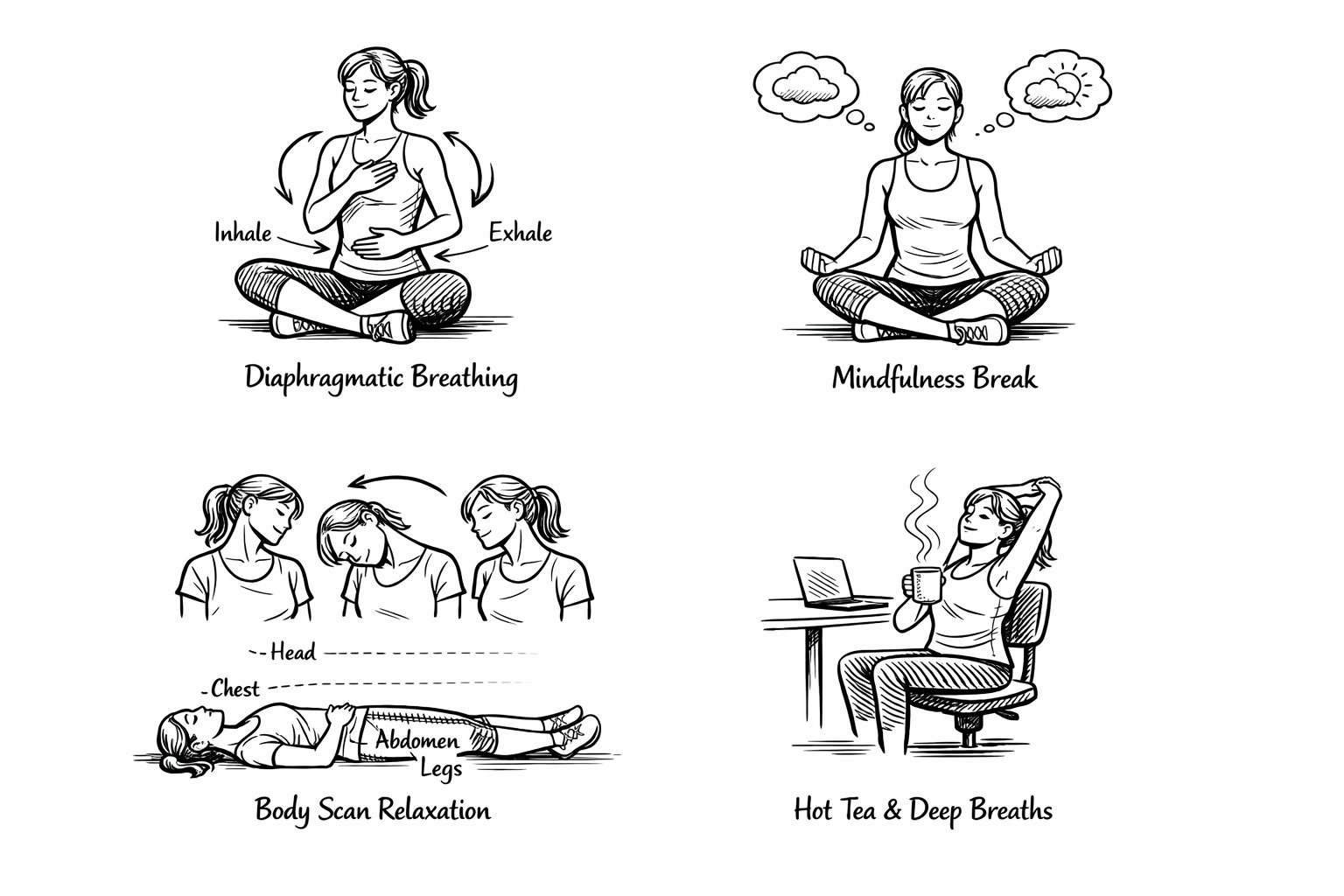
Practice: diaphragmatic breathing and short mindfulness breaks.
Why: Lowers sympathetic arousal, helps manage stress, and can reduce perceived pain.
Practical routine example: 10 minutes of mobility in the morning, two 20–30 minute strength sessions per week, one 20–30 minute cardio session, and 1–2 minute micro‑breaks every 45–60 minutes during work.
Conclusion
Hairdressing is a craft that asks a lot of the body and the senses. The good news is that many of the common problems — musculoskeletal pain, stiffness, fatigue, and some exposure‑related symptoms — are preventable or manageable with targeted exercise, ergonomic adjustments, and sensible chemical controls.
Strength training, mobility work, cardio, and frequent micro‑breaks form a practical, evidence‑based toolkit that helps stylists stay fit, reduce pain, and extend their careers.
If you’re a barber or stylist, start small: add two short strength sessions a week, commit to daily mobility, and make micro‑breaks part of your appointment flow. Your body will thank you — and your clients will notice the steadier hands and brighter energy behind the chair.